1.1.1 - Carcinogenesis And Hallmarks
Carcinogenesis and Hallmarks
What you'll learn
- DOMAIN: Foundations → Cancer Biology and Treatment Principles: Distinguish initiation, promotion, and progression as separate testable phases of carcinogenesis.
- DOMAIN: Pharmacology → Mechanism, PK/PD, and Interactions: Connect major cancer hallmarks to drug targets, resistance pressure, and supportive care implications.
- DOMAIN: Monitoring → Response and Safety Assessment: Identify which biologic features create monitoring priorities such as rapid growth, hypoxia, immune evasion, and angiogenesis-related toxicities.
- DOMAIN: Practice → Medication Safety and Pharmacist Action: Recognize pharmacist-scope order verification concerns when a regimen targets a hallmark but the patient profile suggests mismatch, contraindication, or incomplete supportive care.
- DOMAIN: Therapeutics → Disease-Specific Regimen Selection: Use hallmark-based reasoning to explain why biomarker-directed or cytotoxic strategies may succeed or fail.
- Domain: Foundations → Cancer Biology and Treatment Principles
- Domain: Pharmacology → Mechanism, PK/PD, and Interactions
- Domain: Monitoring → Response and Safety Assessment
- Domain: Practice → Medication Safety and Pharmacist Action
- Domain: Therapeutics → Biomarker-Directed Therapy
Why it matters
- BCOP stems often hide a therapy-selection question inside a biology question; the winning move is to identify the hallmark driving treatment choice or failure.
- Many toxicity and monitoring decisions make more sense when you know what the drug is trying to interrupt: DNA damage repair, angiogenesis, growth signaling, or immune escape.
- Regimen verification becomes safer when you recognize biologic mismatch, such as a targeted drug ordered without the relevant target or a high-risk tumor burden without adequate prophylaxis planning.
- This topic sets up the next two major reasoning layers: growth kinetics and resistance mechanisms.
Key Terms & Must-Know Facts
1.1.1.1 Key terms
- Carcinogenesis: multistep transformation from normal cell to malignant clone
- Initiation: irreversible genetic injury creating a potentially malignant cell
- Promotion: selective expansion of altered cells, often nonmutagenic but growth-advantaging
- Progression: acquisition of additional alterations producing invasive, unstable behavior
- Driver mutation: alteration that confers fitness advantage and supports malignant behavior
- Passenger mutation: bystander alteration without major growth advantage
- Genomic instability: increased tendency to accumulate mutations or chromosomal abnormalities
- Replicative immortality: ability to bypass senescence, often via telomere maintenance
- Angiogenesis: formation of new blood vessels supporting tumor growth
- Immune evasion: avoidance of effective host antitumor immune response
- Apoptosis resistance: survival despite signals that should trigger programmed cell death
- Tumor microenvironment: stromal, immune, vascular, and matrix context surrounding malignant cells
- Oncogene: activated growth-promoting gene
- Tumor suppressor gene: gene that normally restrains proliferation or preserves genomic integrity
1.1.1.2 Must-know facts
- Initiation is classically irreversible; promotion is often reversible early if the promoting exposure is removed.
- Hallmarks are tested as functional capabilities, not just lists to memorize.
- Sustained proliferative signaling and evasion of growth suppressors are different ideas; one pushes the cell forward, the other removes the brakes.
- Genomic instability is an enabling characteristic that accelerates acquisition of other hallmarks.
- Inflammation can support carcinogenesis through growth signals, angiogenic mediators, and DNA-damaging oxidative stress.
- VEGF-driven angiogenesis explains both tumor perfusion biology and classic anti-VEGF toxicities such as hypertension, bleeding, and wound-healing problems.
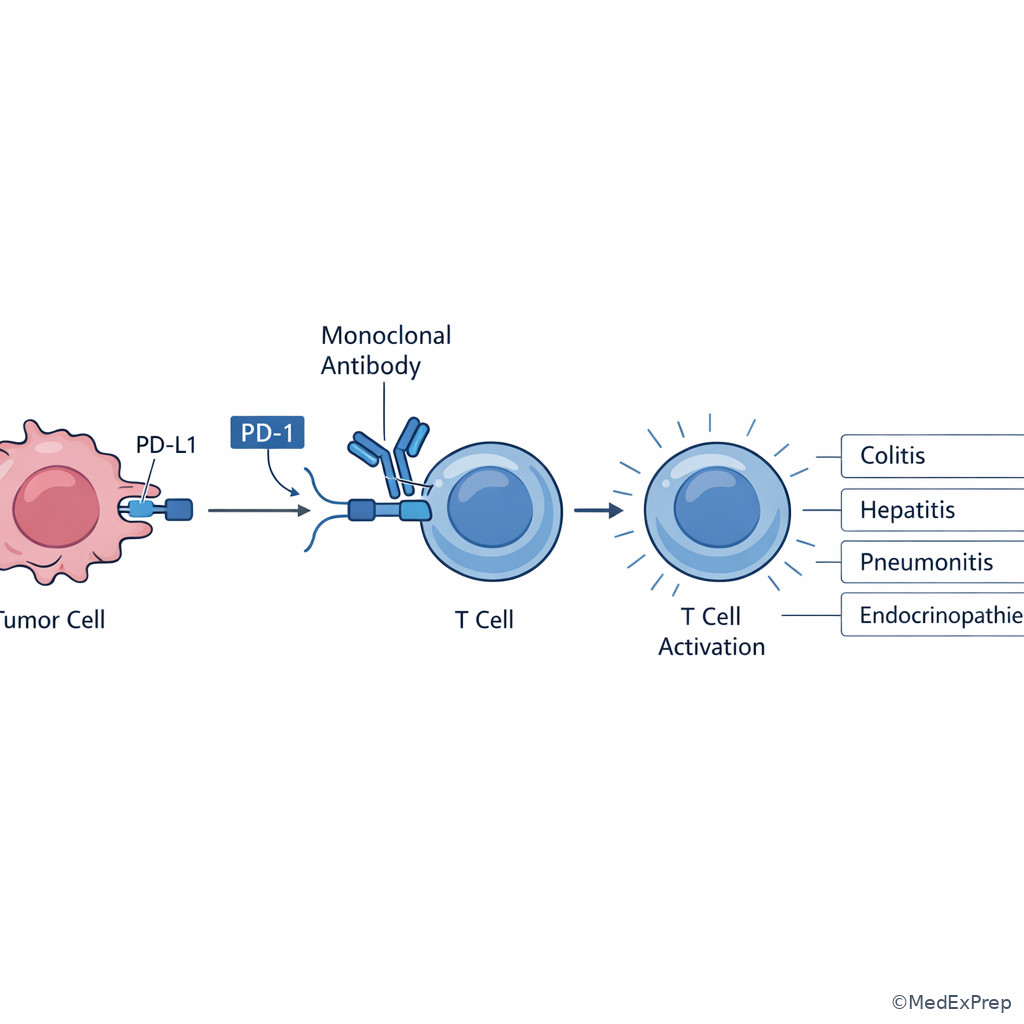
- Immune checkpoint inhibitors exploit tumor immune evasion biology rather than directly poisoning rapidly dividing cells.
- Not every mutation is actionable; pharmacists must distinguish biologic relevance from molecular noise.
| Concept | Core exam cue | Why it matters for pharmacists |
|---|---|---|
| Initiation | DNA injury creates altered clone | Frames mutagen exposure, latency, and secondary malignancy logic |
| Promotion | Growth advantage without necessarily new mutation | Explains why inflammatory or hormonal environments matter |
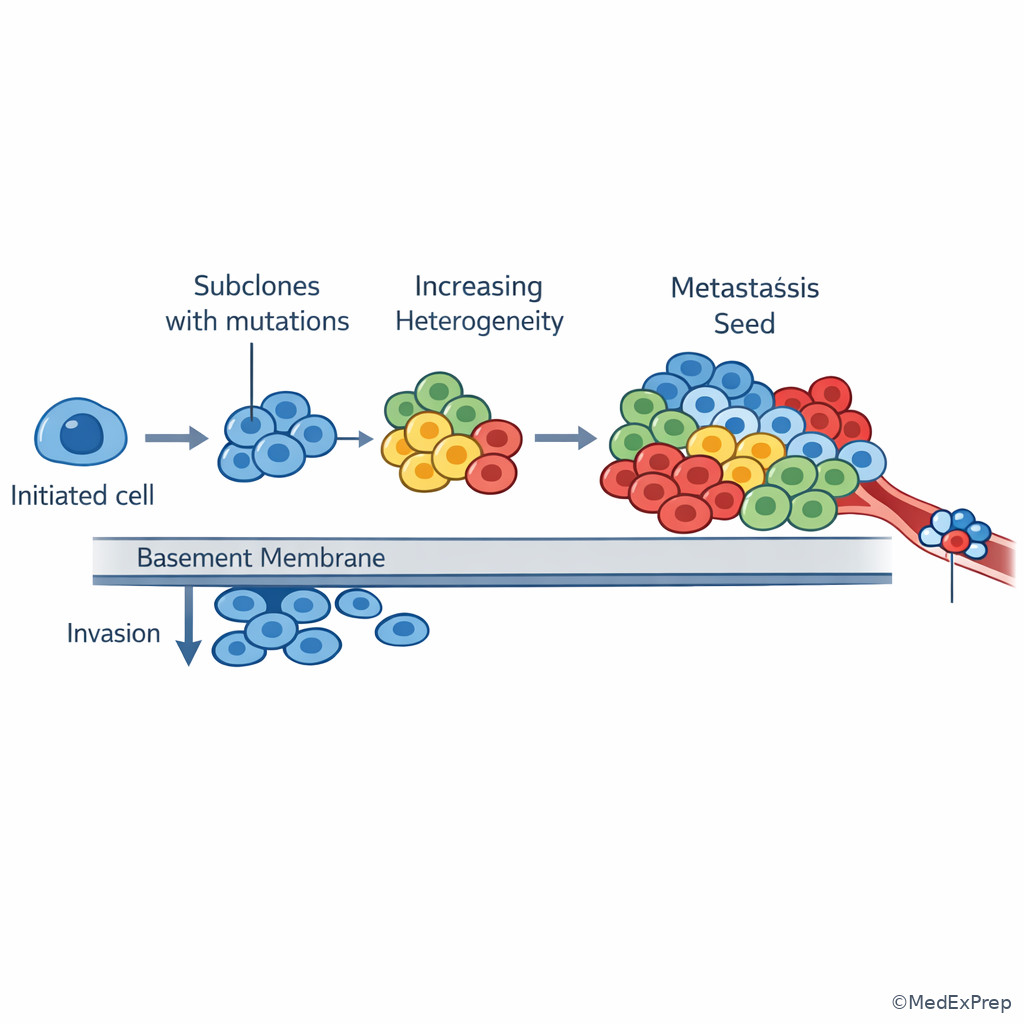
| Progression | Invasion, heterogeneity, instability | Anticipates resistance, metastasis, and mixed response patterns |
| Angiogenesis | VEGF-dependent vascular support | Links mechanism to bevacizumab-class toxicity monitoring |
| Immune evasion | PD-1/PD-L1, CTLA-4 pathway relevance | Supports selection and toxicity surveillance of immunotherapy |
| Genomic instability | Repair defects, mutation accumulation | Prepares for biomarker-directed therapy and resistance topics |
Core content
Exam takeaway: Use the sequence of initiation, promotion, and progression to identify which biologic step a stem is actually testing.
flowchart LR
A[Normal cell] --> B[Initiation: DNA damage]
B --> C[Promoted clone expands]
C --> D[Progression: more alterations]
D --> E[Invasion and metastasis potential]
B -.repair or death if controlled.-> F[No cancer]
C -.remove promoting signal early.-> G[Reduced expansion]
Exam takeaway: Match the dominant hallmark to the mechanism a regimen is trying to interrupt.
flowchart TD
A[Hallmark] --> B[Growth signaling]
A --> C[Angiogenesis]
A --> D[DNA repair failure]
A --> E[Immune evasion]
B --> F[TKIs or targeted antibodies]
C --> G[VEGF pathway inhibitors]
D --> H[PARP-directed strategies in selected settings]
E --> I[Checkpoint inhibitors]
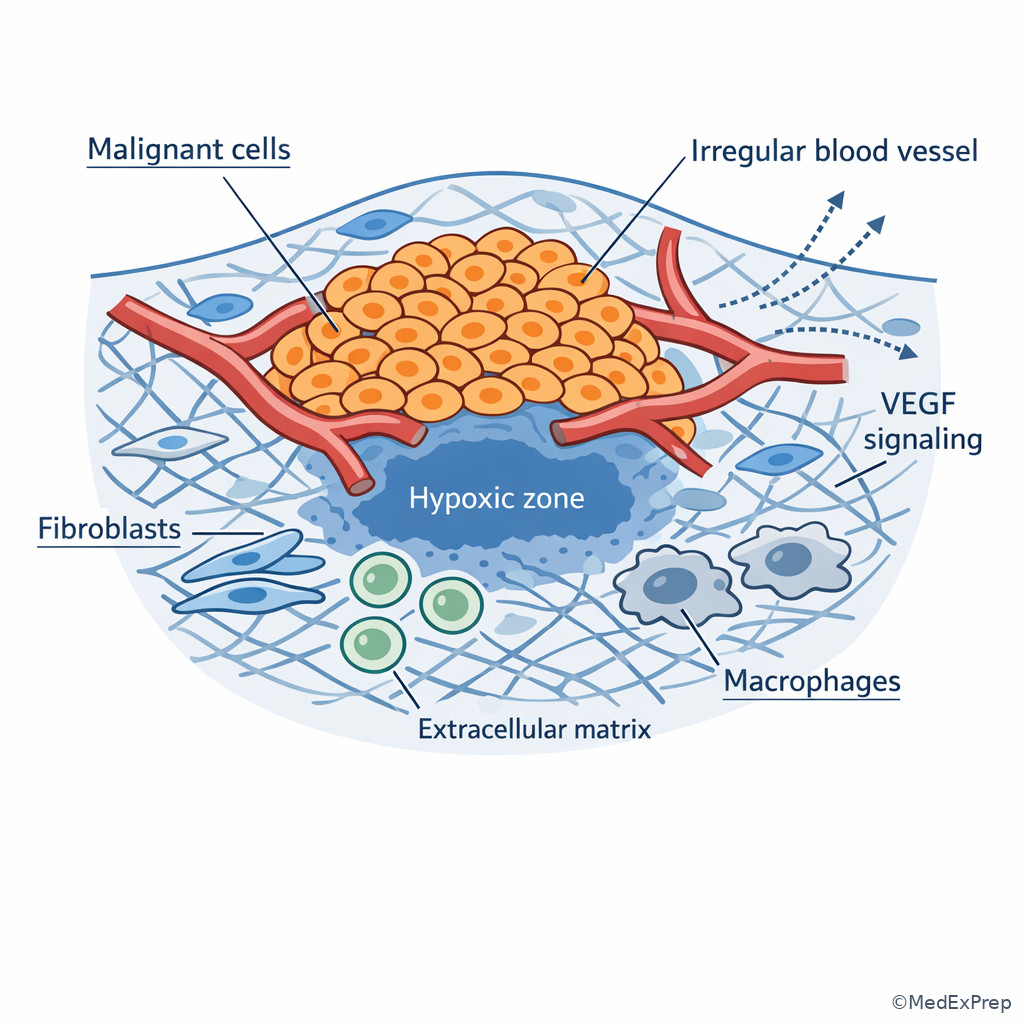
Exam takeaway: Visualize how malignant cells, vessels, stromal cells, and immune cells cooperate to sustain growth and therapy resistance.
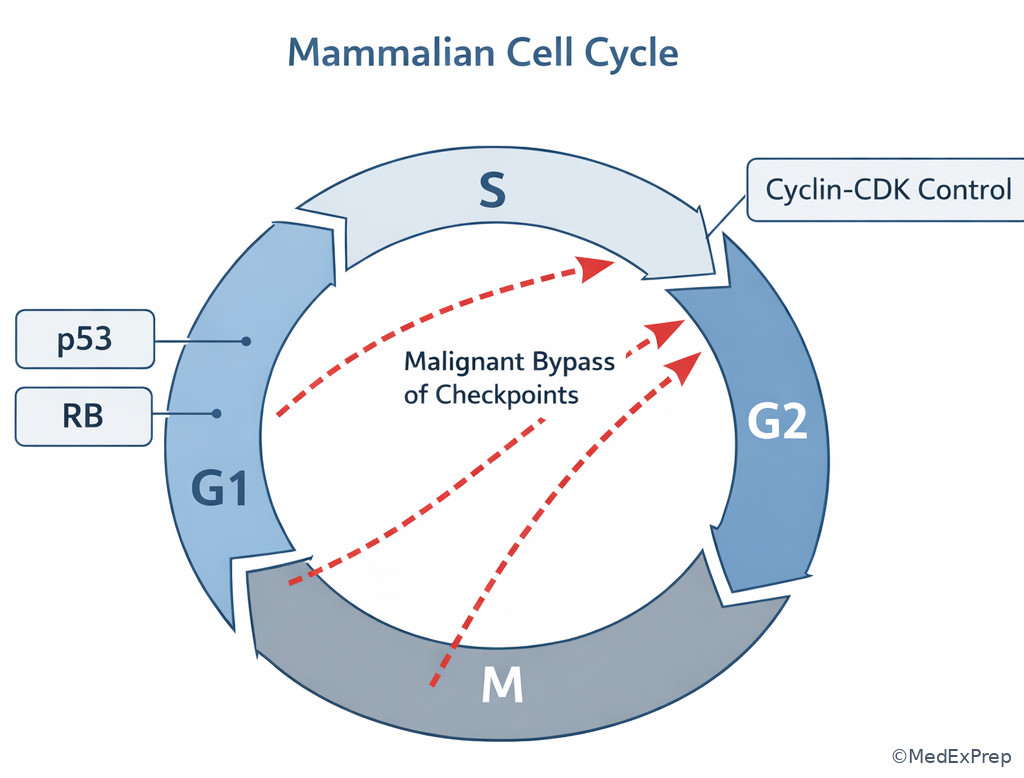
Exam takeaway: Connect loss of checkpoint control to unchecked proliferation and cytotoxic schedule dependence.
1.1.1.3 Foundations: multistep carcinogenesis
A Explanation
The first decision conflict on exams is whether a stem is describing how cancer starts or how an established cancer behaves. The rule that resolves it is simple: if the key clue is initial irreversible genetic injury, think initiation; if the clue is selective expansion under growth pressure, think promotion; if the clue is heterogeneity, invasiveness, or metastatic capacity, think progression. See Fig 1.
WHY THIS IS TESTED: test writers want to know whether you can separate mechanism from stage. A mutagenic exposure causes initiation; a chronic proliferative environment helps promotion; accumulated instability and clonal selection drive progression. Pharmacist relevance is indirect but real: this framework explains latency, secondary malignancy risk, and why a tumor may behave more aggressively after acquiring additional alterations rather than simply because it exists.
Choose initiation when the stem emphasizes DNA adducts, radiation-induced damage, inherited repair defects, or permanent oncogenic mutation. Reject initiation when the stem only describes hormonal stimulation or inflammation without clear new DNA injury. Choose promotion when the stem emphasizes repeated growth stimulation, chronic inflammation, or endocrine drive causing expansion of an altered clone. Reject promotion if the key event is acquisition of invasive capability or marked genetic diversity; that is progression. Choose progression when the stem shifts from localized clone to invasive, therapy-resistant, genomically unstable disease.
B Worked example
A 67-year-old man with COPD, type 2 diabetes, and longstanding tobacco exposure is starting carboplatin plus pemetrexed IV every 21 days for metastatic non-small cell lung cancer. During regimen review, the note mentions years of smoke exposure, chronic bronchitis, and a new biopsy showing multiple genomic alterations. A distracting lab value shows mildly elevated triglycerides, and the stem highlights chronic inflammation as a tempting clue. The question asks which event most likely initiated malignant transformation.
Reasoning chain: Identify task: find the earliest carcinogenic step, not the best treatment or the cause of progression. Extract key facts: tobacco exposure and mutagenic DNA injury are present; chronic inflammation is also present but is a promoter-like clue; multiple genomic alterations suggest later progression, not first event. Apply rule: irreversible DNA damage from carcinogen exposure fits initiation. Eliminate distractors: chronic bronchitis may promote clonal expansion but is not the classic initiating event here; metastatic spread reflects progression; hypertriglyceridemia is noise. Verify: the best explanation is mutagen-induced genetic injury that created the first altered clone.
C Exam trap
D Checkpoint
Question: A pharmacist reviews a case summary for a patient receiving cisplatin 75 mg/m2 IV day 1 and etoposide 100 mg/m2 IV days 1–3. The tumor board note states that a carcinogen caused a permanent DNA alteration, followed years later by hormone-independent growth and metastatic behavior. Which phase is best matched to the permanent DNA alteration?
- A. Initiation — Tempting because it is the only phase centered on irreversible first-hit genetic injury; right because that is exactly the discriminating clue.
- B. Promotion — Tempting because expansion of an altered clone does matter in carcinogenesis; wrong because promotion is growth selection, not the first permanent mutation.
- C. Progression — Tempting because advanced cancers accumulate many mutations; wrong because progression refers to later acquisition of aggressive behavior.
- D. Angiogenic switch — Tempting because tumors need blood supply to enlarge; wrong because angiogenesis is a hallmark capability, not the earliest phase described.
1.1.1.4 Foundational hallmarks: growth, death avoidance, immortality, and genomic instability
A Explanation
The next decision conflict is whether a tumor is primarily being described as pushing the accelerator or cutting the brakes. Sustained proliferative signaling means growth pathways remain on. Evasion of growth suppressors means restraints such as RB or p53-related checkpoint control are disabled. Resisting cell death means apoptosis should occur but does not. Enabling replicative immortality means the clone avoids senescence, commonly through telomere maintenance. Genomic instability accelerates all of these by increasing mutation acquisition. See Fig 2.
WHY THIS IS TESTED: stems rarely ask for the entire hallmark list. Instead, they force you to choose between related biologic functions. If a question describes ligand-independent receptor signaling or constitutively active kinase pathways, choose sustained proliferative signaling. If it describes defective checkpoint-mediated arrest after DNA damage, choose evasion of growth suppressors. If it emphasizes failure of apoptosis after chemotherapy-induced damage, choose resistance to cell death. If it emphasizes progressive mutation burden or chromosomal instability, choose genomic instability as the enabling feature.
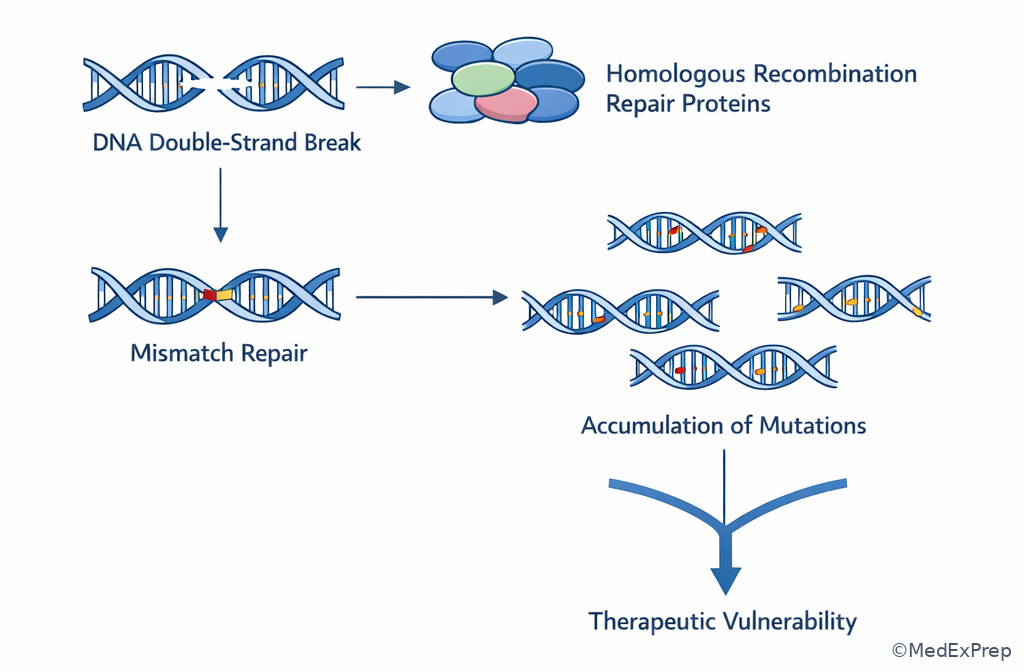
For pharmacists, this distinction clarifies drug rationale. Cytotoxic agents often exploit DNA damage and checkpoint stress. Targeted inhibitors often interrupt proliferative signaling. Some therapies derive special logic from repair deficiency, which becomes especially relevant in later biomarker lessons and resistance topics. Forward reference: the upcoming lesson on Tumor Resistance Mechanisms builds directly on this section because tumors that survive one pathway blockade often activate bypass signaling or repair pathways.
B Worked example
A 59-year-old woman with metastatic HR-positive, HER2-negative breast cancer, hypertension, and osteopenia is prescribed palbociclib 125 mg orally daily for 21 days on/7 days off plus letrozole 2.5 mg orally daily. Her ANC is 2,400/mm3, AST is mildly elevated from fatty liver disease, and she takes diltiazem for rate control. The stem asks which hallmark is most directly targeted by adding a CDK4/6 inhibitor. A tempting wrong clue is the mention of apoptosis because cytotoxic drugs often kill cells by DNA damage.
Reasoning chain: Identify task: what biologic capability is being interrupted by this targeted therapy? Extract key facts: CDK4/6 inhibition acts on cell-cycle progression downstream of proliferative signals and checkpoint control; diltiazem is a drug interaction issue but does not answer the biology question. Apply rule: this therapy most directly addresses sustained proliferative signaling and checkpoint progression through G1/S control. Eliminate distractors: angiogenesis is not the target; immune evasion is not the target; apoptosis resistance is not the primary direct mechanism tested here. Verify by mechanism: blocking cyclin-CDK signaling restrains inappropriate cell-cycle entry.
C Exam trap
D Checkpoint
Question: A patient with metastatic colorectal cancer is discussed before cetuximab-based therapy, but the order review notes constitutive downstream signaling despite receptor blockade. Which hallmark-related mechanism best explains why receptor inhibition may fail?
- A. Sustained proliferative signaling via downstream pathway activation — Tempting because pathway activation can bypass receptor control; right because constitutive downstream signaling preserves growth despite upstream blockade.
- B. Angiogenesis through VEGF excess — Tempting because colorectal cancer treatment often includes anti-VEGF options; wrong because the clue specifically concerns receptor-independent growth signaling.
- C. Replicative immortality from telomerase activation — Tempting because immortality is a hallmark; wrong because telomere maintenance does not explain failure of receptor blockade in this stem.
- D. Immune evasion through PD-L1 expression — Tempting because immune escape matters in many cancers; wrong because the stem is about growth pathway bypass, not checkpoint suppression.
- The hallmark most directly tied to telomere maintenance is replicative immortality.
- True or False: Loss of growth suppressors is the same as activated growth signaling. False.
- Name the enabling feature that speeds accumulation of many other cancer traits: genomic instability.
Exam takeaway: When options look similar, use the single dominant biologic clue to separate signaling, checkpoint loss, apoptosis escape, and genomic instability.
flowchart TD
A[Stem clue] --> B{What is emphasized?}
B -->|Kinase on, growth factor independent| C[Proliferative signaling]
B -->|Checkpoint or brake removed| D[Growth suppressor evasion]
B -->|Fails to die after damage| E[Apoptosis resistance]
B -->|Many mutations or repair defect| F[Genomic instability] Exam takeaway: Repair defects are best remembered as enablers of mutation accumulation and later therapeutic vulnerability.
1.1.1.5 Applied hallmark recognition: angiogenesis, metabolism, inflammation, and immune evasion
A Explanation
Now the decision conflict becomes more clinical: when a stem mentions hypoxia, vessel growth, VEGF, or wound-healing risk, should you think tumor growth or drug toxicity? The single rule is to identify whether the stem is testing the hallmark itself or the consequence of targeting it. Tumors induce angiogenesis to maintain nutrient delivery and support expansion. They also reprogram energy metabolism, operate within inflammatory microenvironments, and evade immune destruction. These are not abstract ideas; they directly explain why certain therapies work and why their toxicities look the way they do.
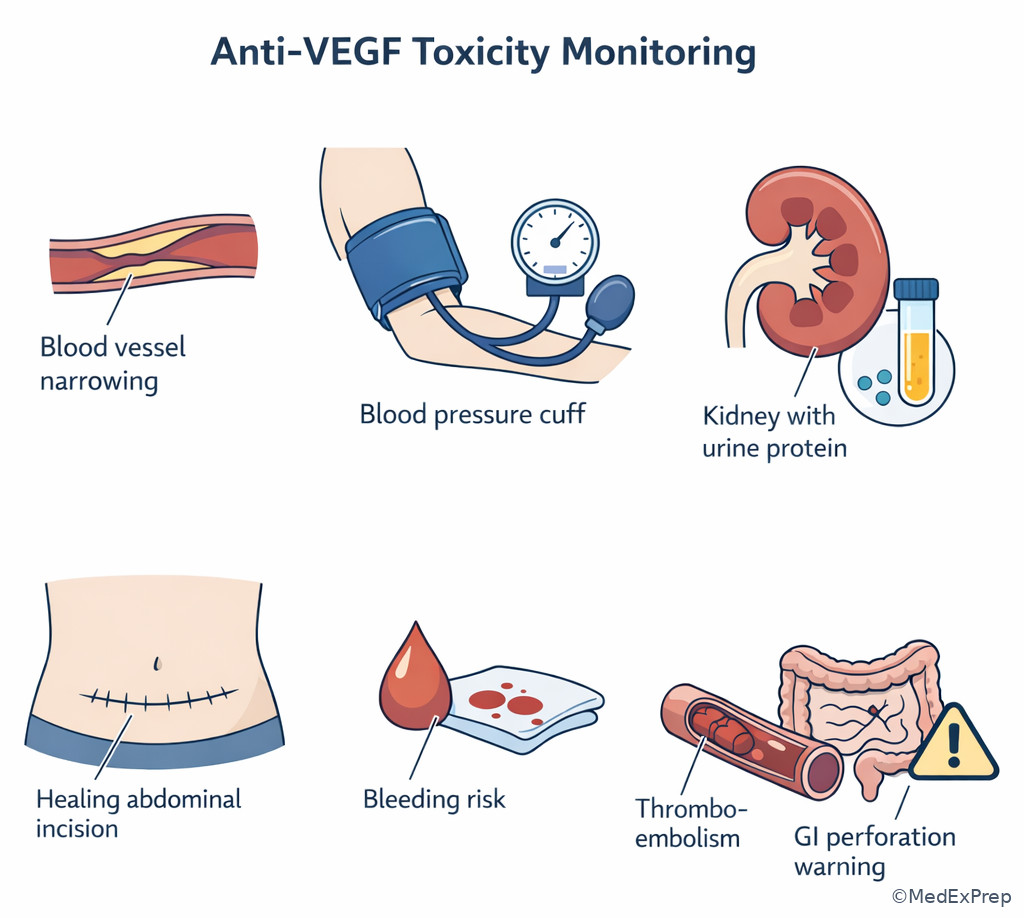
WHY THIS IS TESTED: oncology pharmacists are expected to connect biology to verification and monitoring. Anti-VEGF therapy links to hypertension, proteinuria, bleeding, thromboembolism, gastrointestinal perforation risk, and impaired wound healing because the mechanism disrupts physiologic vascular signaling as well as tumor angiogenesis. Immune checkpoint therapy fits tumors that exploit immune inhibitory pathways, but the resulting immune-related adverse events are the price of disinhibiting T-cell activity. Metabolic reprogramming is tested less often as a stand-alone therapy choice in BCOP-style questions, but it helps explain lactate-rich, hypoxic, fast-growing tumors and the adaptive stresses driving survival.
Choose angiogenesis when the stem centers on VEGF, new vessel formation, hypoxic signaling, or anti-VEGF adverse effect profiles. Choose immune evasion when the key feature is suppressed T-cell activity, PD-1/PD-L1 biology, or response to checkpoint blockade. Choose tumor-promoting inflammation when chronic inflammatory mediators support proliferation, angiogenesis, and mutation-inducing oxidative injury. Reject angiogenesis if the stem is actually about cell-cycle pace or DNA repair. See Fig 3.
B Worked example
A 63-year-old woman with metastatic colorectal cancer, poorly controlled hypertension, diabetic nephropathy with baseline urine protein, and recent bowel surgery 3 weeks ago has an order for bevacizumab 5 mg/kg IV every 2 weeks added to FOLFOX. Her serum creatinine is stable, hemoglobin is 10.6 g/dL, and a distracting note mentions KRAS testing results from a prior consult. The pharmacist must determine the most appropriate verification concern based on the hallmark targeted.
Reasoning chain: Identify task: connect biologic target to safety risk. Extract key facts: bevacizumab targets angiogenesis; uncontrolled blood pressure, proteinuria, and recent surgery are high-yield safety flags; KRAS is noise for this specific question because it matters more for EGFR-directed therapy than anti-VEGF. Apply rule: inhibiting vascular signaling can worsen hypertension, cause proteinuria, and impair wound healing. Eliminate distractors: neutropenia prophylaxis is not the key hallmark-linked concern here; immune-related hepatitis fits checkpoint inhibitors, not bevacizumab; infusion-reaction premedication is not the dominant issue. Verify: the order requires clarification regarding surgery timing and careful vascular toxicity assessment.
C Exam trap
D Checkpoint
Question: A patient receiving pembrolizumab 200 mg IV every 3 weeks for metastatic melanoma develops diarrhea and rising liver enzymes after initial tumor shrinkage. Which hallmark best explains why this class can produce durable responses yet also autoimmune toxicities?
- A. Tumor immune evasion — Tempting because checkpoint inhibitors specifically counter inhibitory immune signaling; right because releasing immune suppression can restore antitumor activity and trigger irAEs.
- B. Sustained angiogenesis — Tempting because the tumor microenvironment matters; wrong because angiogenesis blockade does not explain checkpoint-mediated colitis and hepatitis.
- C. Replicative immortality — Tempting because melanoma cells proliferate persistently; wrong because telomere biology is not the mechanism of pembrolizumab action.
- D. Deregulated metabolism — Tempting because tumor metabolism affects immunity; wrong because the direct therapeutic target here is immune checkpoint escape.
1.1.1.6 Integration: linking hallmarks to therapy classes and regimen verification
A Explanation
The advanced testable step is not naming a hallmark; it is choosing the most appropriate pharmacist action when a regimen targets one. The decision conflict is whether a drug-order problem reflects mechanism mismatch, missing safety monitoring, or likely resistance pressure. The rule is to ask three questions in sequence: What hallmark is being targeted? What prerequisite makes that strategy logical? What predictable toxicity or failure mode follows? See Fig 2 and Fig 3.
WHY THIS IS TESTED: BCOP questions are practical. You are rarely rewarded for reciting biology unless you can apply it to regimen verification. EGFR-directed therapy without the right tumor biology, immune checkpoint therapy in the wrong clinical context, or antiangiogenic therapy with unaddressed surgical risk are pharmacist-scope problems. Likewise, a DNA repair-targeted strategy may be mechanistically appealing, but the profile may contain a more urgent action such as dose clarification, interaction review, or missing baseline labs.
Choose clarify biomarker or biologic rationale when the mechanism depends on target presence or pathway context. Choose clarify monitoring/supportive care when the target is clear but hallmark-linked toxicity precautions are missing. Choose anticipate resistance or sequencing issues when prior exposure, pathway bypass, or mixed response is highlighted. This section also prepares you for the next lesson: growth kinetics explains why some regimens depend on schedule and proliferative fraction, not just hallmark identity.
B Worked example
A 71-year-old man with metastatic renal cell carcinoma, recent dental extraction, atrial fibrillation on apixaban, and CKD stage 3 is prescribed axitinib orally twice daily plus pembrolizumab IV every 3 weeks. He also has a history of autoimmune thyroiditis and borderline uncontrolled blood pressure. A distracting clue notes a family history of colon cancer. The pharmacist is asked for the most appropriate verification focus before cycle 1.
Reasoning chain: Identify task: not to choose the physician's cancer diagnosis, but to verify therapy safety and biologic fit. Extract key facts: axitinib targets angiogenesis-related signaling and carries hypertension/bleeding concerns; pembrolizumab targets immune evasion and raises immune toxicity concerns; the patient has anticoagulation, recent procedure, autoimmune history, and hypertension. Apply rule: when multiple hallmark-targeted therapies are combined, the pharmacist should prioritize the mechanism-linked safety screens most likely to change immediate administration. Eliminate distractors: family history of colon cancer does not change current verification; CKD matters but is not the single biggest hallmark-linked issue without a dose rule in question; thyroiditis is relevant because immunotherapy can worsen endocrine irAEs but is not always an absolute exclusion. Verify: the best action is to clarify BP control, bleeding/procedure status, and baseline monitoring for both vascular and immune toxicities.
C Exam trap
D Checkpoint
Question: A pharmacist verifies bevacizumab 15 mg/kg IV every 3 weeks with carboplatin and paclitaxel for a patient with ovarian cancer who had major abdominal surgery 10 days ago and has persistent uncontrolled BP despite two agents. What is the most appropriate next step?
- A. Clarify and recommend holding bevacizumab pending wound-healing and BP reassessment — Tempting because it directly matches hallmark-linked vascular toxicity logic; right because antiangiogenic therapy increases wound-healing and hypertension risk.
- B. Proceed and only add urine protein monitoring — Tempting because proteinuria monitoring is appropriate with bevacizumab; wrong because it misses the more immediate surgical and BP contraindication concerns.
- C. Substitute pembrolizumab to avoid vascular toxicity — Tempting because it targets a different hallmark; wrong because this is outside pharmacist authority and not a mechanism-driven automatic substitution.
- D. Delay all chemotherapy until germline testing returns — Tempting because biomarkers matter in ovarian cancer; wrong because the urgent issue is specific safety clarification for bevacizumab, not universal treatment delay.
- The hallmark most directly linked to bevacizumab use is angiogenesis.
- True or False: Stable preexisting autoimmune disease is always an absolute contraindication to checkpoint inhibitors. False.
- Name the three pharmacist verification questions: What target? What prerequisite? What toxicity/failure mode?
Exam takeaway: Verify target fit first, then screen the predictable toxicity cluster linked to that mechanism.
flowchart TD
A[Ordered antineoplastic] --> B{Mechanism class?}
B -->|VEGF/angiogenesis| C[Check BP, proteinuria, bleeding, surgery]
B -->|Checkpoint inhibitor| D[Check autoimmune history, organ baseline, irAE history]
B -->|Targeted signaling inhibitor| E[Check biomarker, interactions, QT or organ issues]
B -->|DNA repair strategy| F[Check biomarker context, marrow reserve, prior exposure]
C --> G[Verify or clarify]
D --> G
E --> G
F --> G Exam takeaway: Remember the vascular toxicity cluster because it is a common verification and exam trap.
Exam takeaway: Link PD-1 or PD-L1 blockade to restored T-cell function and the risk of immune-related toxicities.
Exam takeaway: Progressive cancer reflects selection of fitter subclones, which sets up resistance and mixed-response stems.
| Hallmark / feature | Key stem wording | Therapy classes commonly linked | High-yield pharmacist monitoring angle |
|---|---|---|---|
| Sustained proliferative signaling | Constitutive kinase signaling, receptor activation, growth-factor independence | TKIs, pathway antibodies, CDK4/6 inhibitors | Biomarker fit, interactions, organ-specific toxicity |
| Evasion of growth suppressors | Checkpoint loss, p53 or RB dysfunction | Indirectly relevant to cytotoxic and cell-cycle therapies | Myelosuppression risk, schedule logic, treatment selection context |
| Resistance to cell death | Survival despite damage, antiapoptotic signaling | Cytotoxics, some targeted combinations | Response interpretation, failure patterns |
| Replicative immortality | Senescence bypass, telomere maintenance | Usually conceptual rather than direct first-line drug cue | Distinguish from simple rapid growth |
| Angiogenesis | VEGF, hypoxia-driven neovascularization | Bevacizumab, VEGFR TKIs | BP, proteinuria, bleeding, surgery timing, perforation risk |
| Immune evasion | PD-1/PD-L1, CTLA-4, T-cell suppression | Checkpoint inhibitors | Baseline organ function, irAE history, autoimmune context |
| Genomic instability | Repair defect, mutation burden, chromosomal instability | Biomarker-directed strategies in selected settings | Biomarker interpretation, resistance anticipation |
| Often-confused pair | What they share | Single discriminator |
|---|---|---|
| Proliferative signaling vs growth suppressor evasion | Both increase cell-cycle entry | Signal stuck on versus brake removed |
| Promotion vs progression | Both occur after initiation | Expansion without major aggressive transformation versus acquisition of invasive/heterogeneous behavior |
| Angiogenesis vs immune evasion | Both rely on microenvironment interactions | Vascular support clues versus immune checkpoint suppression clues |
| Genomic instability vs resistance mechanism | Both involve adaptation | Instability is broad mutation-enabling tendency; resistance is a therapy-context survival mechanism |
| Rapid growth vs malignancy initiation | Both can appear in carcinogenesis stems | Growth rate is behavior; initiation is first irreversible mutation event |
| Therapy class | Hallmark rationale | Tempting but wrong shortcut | Correct pharmacist response |
|---|---|---|---|
| Bevacizumab | Blocks tumor angiogenesis support | Only think “proteinuria” | Screen BP, urine protein, bleeding, thrombosis, wound-healing timing |
| Pembrolizumab | Reverses immune evasion | Only think “works if PD-L1 positive” | Check disease context plus irAE baseline and monitoring plan |
| CDK4/6 inhibitor | Restrains proliferative cell-cycle drive | Assume primary effect is angiogenesis or apoptosis induction | Check CBC, interactions, dosing schedule, disease setting |
| EGFR-directed therapy | Interrupts growth signaling | Assume receptor expression alone guarantees benefit | Verify pathway context and relevant biomarker exclusions |
| DNA repair-directed strategy | Exploits repair vulnerability | Use solely because mutation list is long | Confirm actionable repair context, prior exposure, marrow tolerance |
Exam Traps & Differentiators
Most common wrong answer and why: choosing a general hallmark that is true of cancer but not the one actually tested. Learners often see “cancer” and choose proliferation, even when the stem is really about angiogenesis-linked toxicity, immune evasion, or progression-related heterogeneity.
- Initiation vs promotion: tobacco or radiation points to irreversible first-hit mutation; chronic inflammation or endocrine stimulation points to selective expansion.
- Promotion vs progression: if the new clue is invasion, metastasis, or marked heterogeneity, move to progression.
- Growth signaling vs growth suppressor loss: “kinase on” is not the same as “checkpoint off.”
- Angiogenesis vs EGFR biomarker logic in colorectal cancer: if the ordered drug is bevacizumab, prioritize vascular-risk monitoring before chasing EGFR-specific biomarker traps.
- Immune evasion vs cytotoxic killing: checkpoint inhibitors work by reactivating immunity; they do not behave like standard DNA-damaging agents.
| Looks similar but isn’t | If the stem says... | Think... |
|---|---|---|
| First cancer-causing event vs later aggressive behavior | Irreversible carcinogen-induced DNA injury | Initiation |
| Clonal expansion vs invasive transformation | Selective growth of altered cells under inflammatory/hormonal pressure | Promotion |
| General cancer growth vs vascular hallmark | VEGF, wound-healing risk, proteinuria, severe hypertension | Angiogenesis |
| Immunotherapy response vs biomarker-only stem | Restored T-cell attack with autoimmune toxicity | Immune evasion |
| Resistance topic vs hallmark topic | Bypass signaling after targeted therapy exposure | Resistance mechanism, not just baseline hallmark |
- If the stem says “constitutively active downstream pathway,” think receptor blockade may fail despite target expression.
- If the stem says “recent surgery plus bevacizumab order,” think clarify wound-healing risk before dispensing.
- If the stem says “checkpoint inhibitor plus colitis/hepatitis,” think immune evasion biology and irAE management pathway.
- If the stem says “repair defect with mutation accumulation,” think genomic instability enabling other hallmarks.
- If the stem says “heterogeneous subclones and mixed response,” think progression and clonal evolution. See Fig 6.
Related upcoming confusable pair: the next lesson on Cancer Types and Kinetics will test whether you confuse fast-growing with aggressive biology. Those overlap, but they are not identical. Likewise, the lesson on Tumor Resistance Mechanisms will test whether a therapy failure reflects baseline biology or acquired pathway escape.
Algorithm / Approach
Use this algorithm under exam pressure: first classify the biologic clue, then tie it to a therapy mechanism, and only then choose the pharmacist action. If you skip the biologic step, distractors become much harder to eliminate. See Fig 4 and Fig 5.
Rapid Review
- Initiation → first irreversible mutational hit, not mere inflammation
- Promotion → selective expansion pressure, often without being the original mutation
- Progression → invasion, metastasis, heterogeneity, instability
- Proliferative signaling → accelerator stuck on
- Growth suppressor evasion → brake removed
- Apoptosis resistance → damage occurs but death program fails
- Replicative immortality → senescence bypass via telomere maintenance
- Genomic instability → enabling feature that accelerates other hallmarks
- Angiogenesis → think VEGF plus BP/proteinuria/wound-healing monitoring
- Immune evasion → think checkpoint blockade plus irAE surveillance
- Inflammation → promoter and microenvironment amplifier, not always the initiating event
- Downstream constitutive signaling → explains failure of upstream receptor inhibition
- Recent surgery + anti-VEGF order → clarify before dispense
- Mixed tumor subclones → think progression and future resistance risk
Self-check quiz
1. A pharmacist reviews erlotinib 150 mg orally daily for a patient with metastatic lung cancer. The chart note describes ligand-independent signaling through a growth pathway. Which hallmark is most directly being targeted?
- A. Sustained proliferative signaling
- B. Angiogenesis
- C. Immune evasion
- D. Replicative immortality
2. A patient starting carboplatin AUC 5 IV every 21 days has a history of radiation exposure years before developing malignancy. The team asks which carcinogenesis phase best matches the original irreversible DNA damage. Which is the most appropriate answer?
- A. Initiation
- B. Promotion
- C. Progression
- D. Angiogenic switch
3. A 65-year-old man with metastatic colorectal cancer, hypertension, CKD stage 2, and recent colectomy 2 weeks ago is ordered FOLFIRI plus bevacizumab 5 mg/kg IV every 2 weeks. His urine protein is 2+, BP is 168/96 mmHg, and a distracting note highlights KRAS wild-type status. What is the most appropriate pharmacist action?
- A. Proceed because KRAS wild-type status supports biologic therapy use
- B. Clarify and recommend holding bevacizumab pending surgical recovery and BP reassessment
- C. Substitute cetuximab immediately because KRAS wild-type status is more relevant
- D. Proceed but increase irinotecan monitoring only
4. A 58-year-old woman with metastatic melanoma, hypothyroidism, and well-controlled rheumatoid arthritis receives nivolumab 240 mg IV every 2 weeks. After two cycles, she has new diarrhea and AST/ALT elevation, while CBC remains stable. Which hallmark best explains the drug mechanism underlying both benefit and toxicity?
- A. Tumor immune evasion
- B. Sustained angiogenesis
- C. Replicative immortality
- D. Growth suppressor evasion
5. A 72-year-old woman with HR-positive metastatic breast cancer, atrial fibrillation on diltiazem, and baseline neutropenia is prescribed palbociclib 125 mg orally daily for 21 days on/7 days off plus letrozole 2.5 mg orally daily. The question asks which hallmark-linked process palbociclib most directly restrains. Which is the best answer?
- A. Sustained proliferative signaling through cell-cycle progression
- B. Angiogenesis via VEGF blockade
- C. Immune evasion via PD-1 inhibition
- D. Apoptosis induction through DNA cross-linking
6. A 69-year-old man with metastatic renal cell carcinoma, uncontrolled hypertension, recent dental extraction, coronary artery disease, and rivaroxaban use is prescribed axitinib 5 mg orally twice daily plus pembrolizumab 200 mg IV every 3 weeks. Creatinine is 1.4 mg/dL, TSH is normal, and a family history of lymphoma is noted. Which issue most requires immediate clarification before therapy proceeds?
- A. Recent dental extraction and uncontrolled hypertension with axitinib-based vascular toxicity risk
- B. Family history of lymphoma because checkpoint inhibitors worsen hematologic malignancy risk
- C. Mildly elevated creatinine because pembrolizumab is contraindicated in CKD stage 3
- D. Normal TSH because baseline endocrine function must be abnormal to receive immunotherapy
7. A 61-year-old man with metastatic colorectal cancer previously benefited from EGFR-directed therapy but now progresses on panitumumab 6 mg/kg IV every 14 days. The updated molecular report notes a newly acquired downstream signaling alteration. He also has diabetes and a magnesium of 1.5 mg/dL. Which biologic interpretation best explains the likely treatment failure?
- A. Sustained proliferative signaling via bypass downstream activation
- B. Angiogenesis-driven resistance because all refractory colorectal tumors become VEGF dependent
- C. Replicative immortality due to telomerase activation as the main cause of anti-EGFR failure
- D. Immune evasion because prior antibody therapy suppresses T-cell function
8. A 66-year-old woman with ovarian cancer, diabetes, obesity, and recent bowel resection 12 days ago is ordered paclitaxel 175 mg/m2 IV plus carboplatin AUC 6 IV every 21 days with bevacizumab 15 mg/kg IV every 3 weeks. BP is 162/94 mmHg and urine protein is 1+. Which pharmacist recommendation is most appropriate?
- A. Clarify and recommend delaying bevacizumab while allowing evaluation of chemotherapy timing per surgical recovery and BP control
- B. Hold all systemic therapy because any recent surgery contraindicates cytotoxic therapy
- C. Proceed with full regimen because urine protein is only 1+
- D. Replace bevacizumab with nivolumab because it avoids wound-healing risk
Answer key
1. Correct answer: A. Sustained proliferative signaling
- A. Tempting because erlotinib is a classic growth-pathway inhibitor; correct because ligand-independent signaling describes a constitutively active proliferative pathway. The single stem clue is “ligand-independent signaling.” Authoritative support: FDA labeling for erlotinib; DiPiro discusses receptor tyrosine kinase signaling as growth pathway biology.
- B. Tempting because targeted therapies often affect tumor growth broadly; incorrect because angiogenesis would involve VEGF/vascular clues rather than EGFR-type signaling. The discriminator is absence of vessel or wound-healing language. Support: AHFS Drug Information; DiPiro.
- C. Tempting because modern oncology often emphasizes immunotherapy; incorrect because immune evasion would require checkpoint-pathway clues such as PD-1/PD-L1, not receptor growth signaling. Support: NCCN principles of immunotherapy; AHFS.
- D. Tempting because immortality is a hallmark of many cancers; incorrect because telomere/senescence biology is not the direct mechanism implied by an EGFR inhibitor order. Support: DiPiro; standard cancer biology texts.
2. Correct answer: A. Initiation
- A. Tempting because it directly names the first irreversible event; correct because radiation-induced permanent DNA damage fits initiation. The clue is “original irreversible DNA damage.” Support: DiPiro oncology foundations; standard carcinogenesis framework.
- B. Tempting because expansion occurs later in cancer development; incorrect because promotion refers to growth advantage after the altered cell already exists. The discriminator is that no expansion-only language is present. Support: cancer biology texts.
- C. Tempting because progression includes accumulated abnormalities; incorrect because progression is later aggressive evolution, not the first hit. Support: DiPiro.
- D. Tempting because vascular change is part of tumor development; incorrect because an angiogenic switch is a later hallmark capability rather than the first mutational event. Support: standard hallmark framework.
3. Correct answer: B. Clarify and recommend holding bevacizumab pending surgical recovery and BP reassessment
- A. Tempting because KRAS wild-type status matters in metastatic colorectal cancer biologic selection; incorrect because the immediate order-specific safety problem is anti-VEGF use after recent surgery with uncontrolled hypertension and proteinuria. The discriminator is the bevacizumab order plus surgery/BP clues. Support: bevacizumab FDA labeling; NCCN Colon Cancer guidelines.
- B. Tempting because it directly applies antiangiogenic toxicity logic; correct because bevacizumab is associated with impaired wound healing and hypertension, requiring clarification before proceeding. The single key clue is colectomy 2 weeks ago with BP 168/96 mmHg. Support: bevacizumab FDA labeling; AHFS Drug Information.
- C. Tempting because KRAS wild-type status can support cetuximab in appropriate settings; incorrect because pharmacists should not independently substitute regimens, and this choice ignores the immediate mechanism-linked safety issue. The discriminator is scope plus immediate safety concern. Support: NCCN; pharmacist-scope guardrails.
- D. Tempting because irinotecan toxicity monitoring is always relevant in FOLFIRI; incorrect because it fails to address the more urgent anti-VEGF safety concern. The discriminator is recent surgery and uncontrolled BP. Support: NCCN; FDA labeling.
4. Correct answer: A. Tumor immune evasion
- A. Tempting because nivolumab is a PD-1 inhibitor; correct because it counteracts tumor immune evasion, producing antitumor activity and immune-mediated diarrhea/hepatitis. The discriminator is checkpoint inhibitor plus autoimmune-type toxicity. Support: nivolumab FDA labeling; NCCN Management of Immunotherapy-Related Toxicities.
- B. Tempting because melanoma care can include antiangiogenic concepts indirectly; incorrect because VEGF biology does not explain PD-1 inhibitor colitis and hepatitis. The key clue is nivolumab, not bevacizumab. Support: NCCN.
- C. Tempting because immortal cells characterize cancer broadly; incorrect because telomere maintenance is not the therapeutic target here. Support: DiPiro.
- D. Tempting because checkpoint control sounds similar to growth suppression; incorrect because the question is about immune checkpoint biology, not tumor cell-cycle brake failure. The discriminator is immune toxicity pattern. Support: NCCN irAE guidance.
5. Correct answer: A. Sustained proliferative signaling through cell-cycle progression
- A. Tempting because CDK4/6 inhibitors are built around cell-cycle control; correct because palbociclib restrains inappropriate proliferative drive through G1/S regulation. The discriminator is the CDK4/6 mechanism. Support: palbociclib FDA labeling; NCCN Breast Cancer guidelines.
- B. Tempting because oral targeted agents can affect growth broadly; incorrect because VEGF blockade is not the mechanism of palbociclib. The clue excluding it is the breast cancer endocrine/CDK4/6 regimen. Support: FDA labeling.
- C. Tempting because immunotherapy is widely used in oncology; incorrect because PD-1 inhibition is unrelated to palbociclib. Support: AHFS.
- D. Tempting because many anticancer drugs kill dividing cells; incorrect because DNA cross-linking describes platinum-like cytotoxic drugs, not CDK4/6 inhibition. The discriminator is specific drug mechanism. Support: DiPiro; FDA label.
6. Correct answer: A. Recent dental extraction and uncontrolled hypertension with axitinib-based vascular toxicity risk
- A. Tempting because axitinib is a VEGFR TKI and these are strongly linked to vascular toxicity; correct because recent procedure-related healing concerns and uncontrolled hypertension are immediate pre-treatment issues. The single discriminator is the VEGFR inhibitor plus extraction/BP clues. Support: axitinib FDA labeling; NCCN Kidney Cancer guidelines.
- B. Tempting because family cancer history can matter in oncology workup; incorrect because it does not determine immediate safety of axitinib plus pembrolizumab. The discriminator is that family history is unrelated noise here. Support: NCCN kidney cancer management principles.
- C. Tempting because renal function often affects dosing; incorrect because mild CKD does not make pembrolizumab contraindicated. The discriminator is no label-based contraindication for this creatinine alone. Support: pembrolizumab FDA labeling.
- D. Tempting because endocrine monitoring matters with immunotherapy; incorrect because baseline thyroid function need not be abnormal to use immunotherapy, and normal TSH is actually reassuring. The discriminator is that thyroid abnormality is a monitoring parameter, not a prerequisite for abnormality. Support: NCCN irAE guidance.
7. Correct answer: A. Sustained proliferative signaling via bypass downstream activation
- A. Tempting because acquired downstream alterations are a classic reason targeted receptor blockade stops working; correct because bypass activation preserves growth despite upstream panitumumab inhibition. The discriminator is “newly acquired downstream signaling alteration.” Support: NCCN Colon Cancer guidelines; DiPiro targeted therapy principles.
- B. Tempting because anti-VEGF therapy is another colorectal cancer strategy; incorrect because refractory disease after EGFR therapy is not automatically due to VEGF dependence. The discriminator is specific downstream growth pathway escape. Support: NCCN.
- C. Tempting because immortality contributes to malignant persistence; incorrect because telomerase activation does not specifically explain acquired anti-EGFR resistance in this stem. Support: standard oncology pharmacology texts.
- D. Tempting because monoclonal antibodies interact with immune effectors; incorrect because the question points to pathway bypass, not T-cell suppression. The discriminator is molecular report showing downstream alteration. Support: NCCN Colon Cancer guidelines.
8. Correct answer: A. Clarify and recommend delaying bevacizumab while allowing evaluation of chemotherapy timing per surgical recovery and BP control
- A. Tempting because it separates the hallmark-targeted safety issue from the rest of the regimen; correct because bevacizumab specifically raises wound-healing and hypertension concerns, while the chemotherapy components may require separate postoperative timing judgment. The discriminator is bevacizumab with surgery 12 days ago and BP 162/94 mmHg. Support: bevacizumab FDA labeling; NCCN Ovarian Cancer guidelines.
- B. Tempting because recent surgery can delay therapy broadly; incorrect because the strongest mechanism-linked contraindication here is to bevacizumab specifically, not an automatic universal hold of all cytotoxic therapy in every postoperative scenario. The discriminator is class-specific vascular toxicity. Support: FDA labeling; NCCN.
- C. Tempting because urine protein is only 1+ and may seem mild; incorrect because it ignores the more immediate surgery and BP clues. Support: bevacizumab label.
- D. Tempting because it avoids vascular toxicity; incorrect because independent regimen substitution is outside pharmacist authority and immunotherapy is not an automatic swap for ovarian cancer in this context. The discriminator is scope and disease-specific appropriateness. Support: pharmacist scope guardrails; NCCN.
Keep going with the full BCOP Prep Course (BCOP)
You just studied the way members do, in the same lesson interface. Full access unlocks every lesson, the question bank and flashcards for a full year.
One payment · 1 year of access · No auto-renewal